Daily Life in Memory Care: What Families Need to Know
Everyday life in memory care facilities is carefully structured to meet the unique needs of residents with memory impairments. Routines offer a sense of stability, while engaging activities promote cognitive function and social interaction. Understanding these elements is vital for families. They can foster a supportive environment that eases anxiety and enhances well-being. However, the role of compassionate staff in this process must not be underestimated. What specific strategies do they employ to ensure quality care?
Everyday Life in Memory Care Facilities: What to Expect
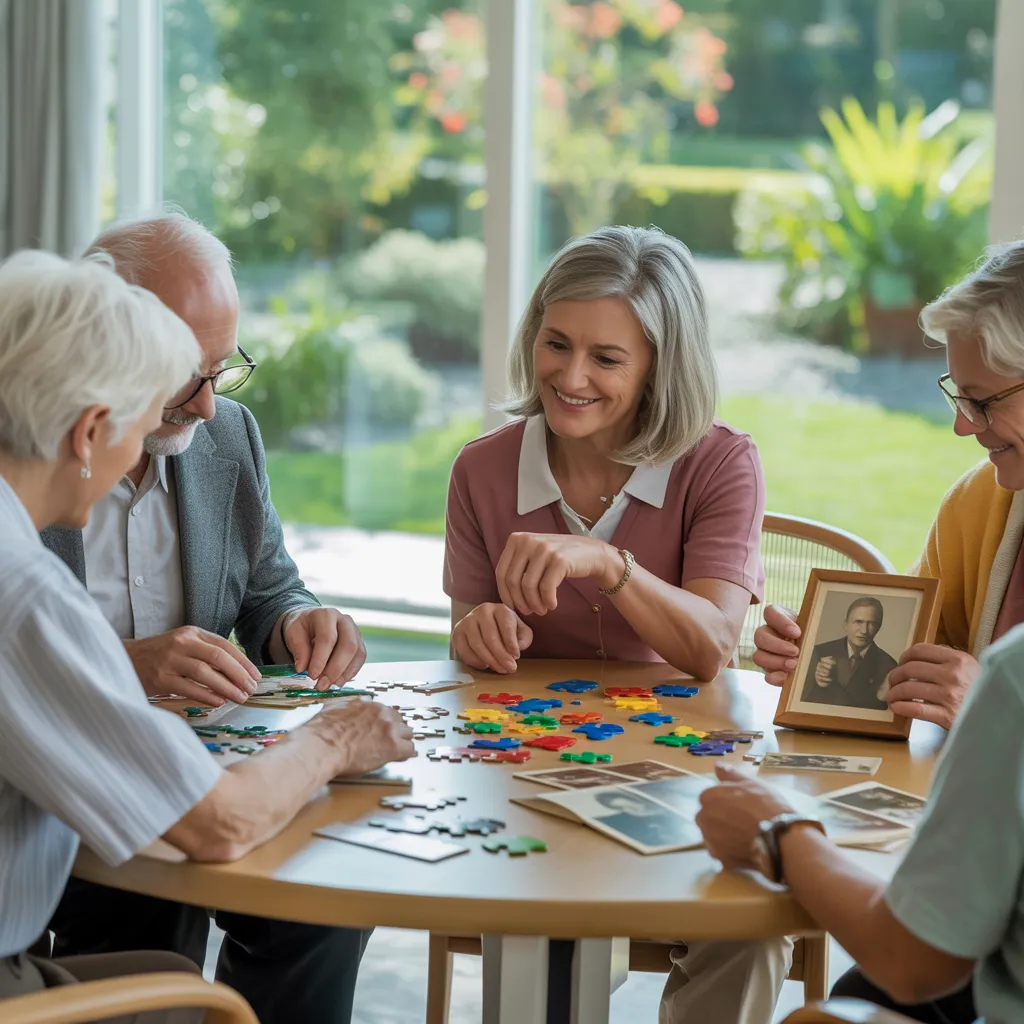
What might a typical day at a memory care facility entail? Each day commences with residents waking to a gentle routine, usually assisted by caring staff members. Following breakfast, residents may join in various activities designed to stimulate cognitive functions, such as puzzles or art projects. Interpersonal interaction is encouraged, allowing residents to connect with one another and share experiences.
At noon, wholesome meals are prepared, often customized to individual dietary preferences. Once lunch, residents might join group exercises or experience quiet time for unwinding or personal reflection.
As the afternoon continues, team members often facilitate memory-enhancing games or reminiscence therapy sessions, encouraging connection to past memories. The day generally finishes with a calming evening routine, allowing residents to unwind before bedtime. All day long, a supportive atmosphere is maintained, confirming residents feel safe and appreciated within the community.
Consistent Routines That Provide Stability and Comfort
While routines may appear mundane, they fulfill an essential part in offering stability and comfort for residents in memory care facilities. Organized daily schedules help individuals with memory impairments achieve reassured, as predictability minimizes anxiety and confusion. Typical routines frequently include mealtimes, personal care, and recreational activities, all of which are usually held at the same time each day.
These consistent patterns aid residents in recognizing familiar activities, creating a sense of belonging and normalcy. Caregivers frequently promote participation in these routines, promoting emotional wellness and social interaction.
Additionally, sensory experiences like music or gardening can be integrated into daily schedules, boosting comfort and engagement. On the whole, well-established routines significantly enhance the quality of life for residents, making their days more pleasant and easier to manage, while also providing families peace of mind regarding their loved ones' well-being.
Cognitive Activities That Enhance Memory and Engagement
Mental stimulation exercises serve a vital function in boosting memory retention and participation for individuals in memory care settings, supporting the consistency offered by everyday schedules. These activities can vary widely, including puzzles, memory games, and arts and crafts, all designed to stimulate mental function.
Team-based activities, including memory-sharing sessions or quiz games, promote social engagement while promoting cognitive activity. Additionally, customized activities customized to a resident's individual past experiences and interests can create a sense of connection and purpose.
Additionally, music therapy has shown to be highly effective, as familiar tunes can evoke memories and emotions, boosting cognitive memory. Consistently integrating these practices helps in preserving mental functions and enhancing general wellness.
Eventually, a thoughtful approach merging cognitive activities with daily routines can greatly improve the lives of residents, fostering a sense of satisfaction and joy in their daily experiences.
Caring Personnel: Vital for High-Quality Care
Empathetic staff members are critical to offering quality care in memory care facilities. Their awareness of the specific challenges encountered by residents with cognitive impairments fosters an environment of trust and respect. This specialized training empowers caregivers to communicate productively, tailoring their approach to address the individual needs of each resident. By exhibiting empathy and patience, staff can alleviate feelings of confusion and anxiety, boosting the overall well-being of those in their care.
Additionally, empathetic staff members fulfill an critical role in developing valuable relationships with residents, which can significantly impact their emotional state. Their steady presence and attentiveness enable residents to feel appreciated, encouraging a sense of belonging. Families can take comfort in knowing that their loved ones are supported by individuals who truly care about their well-being and dignity. Ultimately, a compassionate approach not only enhances daily interactions but also enhances Pressure cleaning the quality of life within memory care communities.
Why Daily Routines Help Residents Feel Safe and Comfortable
A structured daily routine plays an important role in helping residents feel secure in memory care environments. Interactive activities and events further bolster this sense of comfort by providing structure and opportunities for social interaction. Combined, these components create a reassuring atmosphere that allows individuals to thrive.
Predictable Daily Schedule
When residents are provided with a predictable daily schedule, they frequently feel a greater sense of security and well-being. A consistent routine assists individuals with memory impairments by minimizing anxiety and confusion, as they know what to expect throughout the day. Routinely organized meals, activities, and rest periods create a structured environment that promotes familiarity and stability. This predictability can improve their emotional well-being, as residents feel more safe in their surroundings. Additionally, a daily schedule enables caregivers to effectively manage time and resources, guaranteeing that each resident receives the attention they need. All in all, a predictable daily routine plays an vital role in promoting a sense of routine and connection for those living in memory care facilities.
Exciting Activities and Functions
Engaging activities and events are essential components of a daily routine in memory care settings, complementing the predictability that residents depend on for comfort. These activities, ranging from arts and crafts to music therapy, boost cognitive function and foster social interaction among residents. Participation in familiar tasks, such as gardening or cooking, can spark positive memories and enhance a sense of purpose. Regularly scheduled events, like themed parties or exercise classes, build community and minimize feelings of isolation. Care staff often tailor activities to individual preferences, making certain that each resident feels valued and included. By incorporating engaging activities into their routines, memory care facilities establish an environment that fosters safety, comfort, and overall well-being for residents.
How to Improve Family Communication Effectively?
Effective communication is essential for families handling the difficulties of memory care. Families should focus on clear, empathetic dialogue, realizing that individuals with memory impairments may struggle to process information. It is helpful to use simple language, maintain eye contact, and speak slowly, ensuring time for responses. Non-verbal cues, such as gestures and facial expressions, can improve understanding and connection.
Engaged listening is critical; families must be attentive to the emotional tone and body language of their loved ones. Acknowledging and validating their feelings can foster a supportive environment. Additionally, using familiar topics or reminiscing about shared experiences may stimulate engagement and recognition.
Involving caregivers in conversations can deliver valuable insights into effective communication strategies tailored to the person's needs. Ultimately, patience and consistency in communication can greatly enhance interactions and build relationships within the context of memory care.
Popular Questions
How Can Family Members Participate in Their Loved One's Everyday Activities?
Relatives can join in their loved one's daily activities by stopping by often, conversing with them, taking part in recreational programs, assisting with meals, and giving emotional support, in turn fostering connection and enhancing the overall experience.
Are There Visiting Hours for Family Members in Memory Care Facilities?
Visitation times at memory care facilities usually vary based on location, with many permitting flexible visitation to suit family schedules. It is recommended for families to confirm specific guidelines with the facility for detailed information.
What Should Families Pack When Visiting Their Loved Ones?
Families ought to bring familiar objects, including photographs or favorite snacks, to strengthen connection. Personal grooming items for example moisturizer or garments can be comforting and familiar, together with enjoyable activities including books or games to promote meaningful interaction.
How Will Memory Care Facilities Address Medical Emergencies?
Memory care centers usually have trained staff available 24/7 to respond to medical emergencies. They keep close relationships with local hospitals and healthcare providers, ensuring quick response and appropriate care for residents experiencing health crises.
Do Memory Care Facilities Allow Residents to Personalize Their Living Spaces?
Those residing in memory care facilities often have the opportunity to personalize their living spaces. This may include adding personal items, décor, or photographs, which can help create a comfortable and reassuring environment for individuals.